Stacy McNeely graduated from the University of Minnesota’s Registered Nursing program with honors, and also received her BS in Marketing/Management from the university’s Carson School of Management. She has successfully taken the expertise gained from both fields of study into the world of business where, as National Director of Transitional Care Coordination, she created and developed new billing and coding strategies for The Goodman Group. Stacy McNeely is also an accomplished barrel racer, and was a finalist in the Great Lakes Circuit top 12 three times.
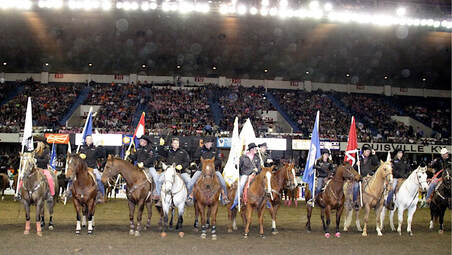
Affiliated with the Professional Rodeo Cowboys Association (PRCA), the nonprofit Great Lakes Pro Rodeo Circuit recognizes the accomplishments of rodeo participants in the geographical area that includes nine states in the Great Lakes region. Competing at rodeo events throughout this circuit area, cowboys and cowgirls earn points that can earn them both cash prizes and year-end awards such as trophy saddles.
There is competition in eight rodeo events such as barrel racing, roping, and bull riding. While some circuit riders travel the country trying to earn a spot at the National Finals Rodeo, many of them rodeo part-time, following their passion for the sport among friends in a relatively small geographical area. But the competition is still fierce, and the Great Lakes Circuit has given rodeo a number of World Champions.

 Stacey McNeely